Age Spots: Reasons And Treatment
Age Spots
They typically happen on sun-exposed locations, like the rear of your hands and your face. Age places are additionally called liver spots, senescent lentigo, solar lentigines, or solar flare. Before going after any treatment choices for age areas, it is necessary to get a correct diagnosis from a skin specialist. Age places can typically be mistaken for other skin conditions, such as seborrheic keratoses, actinic keratoses, or perhaps skin cancer. A skin specialist can analyze the spots and identify one of the most ideal strategy.
When To See A Skin Specialist For Age Spots And Skin Problems
Flat, oval locations of pigmentation, age areas often tend to show up on parts of the body, such as the face, hands, arms, shoulders and feet, that are exposed to the sun. Most typical in people older than 40, they can be freckle-sized or greater than a half-inch in size, and array in shade from brown to black. Age spots frequently form on locations of the body that are most frequently subjected to the sunlight, like the face, hands, neck, décolletage location, limbs. The main perpetrator behind age areas is cumulative ultraviolet (UV) direct exposure from the sunlight or tanning beds. When your skin is subjected to UV rays over time, it creates excess melanin-- the pigment that gives skin its color-- as a safety response.- Actinic keratosis, which look like harsh or flaky patches with a red to brown shade, comes from sunlight exposure and might be a forerunner to cancer.
- While they're called "age spots," they're actually more related to sun direct exposure than maturing itself, though they do end up being a lot more prevalent after age 40.
- To avoid age areas or maintain them from intensifying, avoiding extended sun exposure and routinely using a broad-spectrum (UVA and UVB) sun block is suggested.
- Generally, liver places are larger than blemishes and have a paler look than moles.

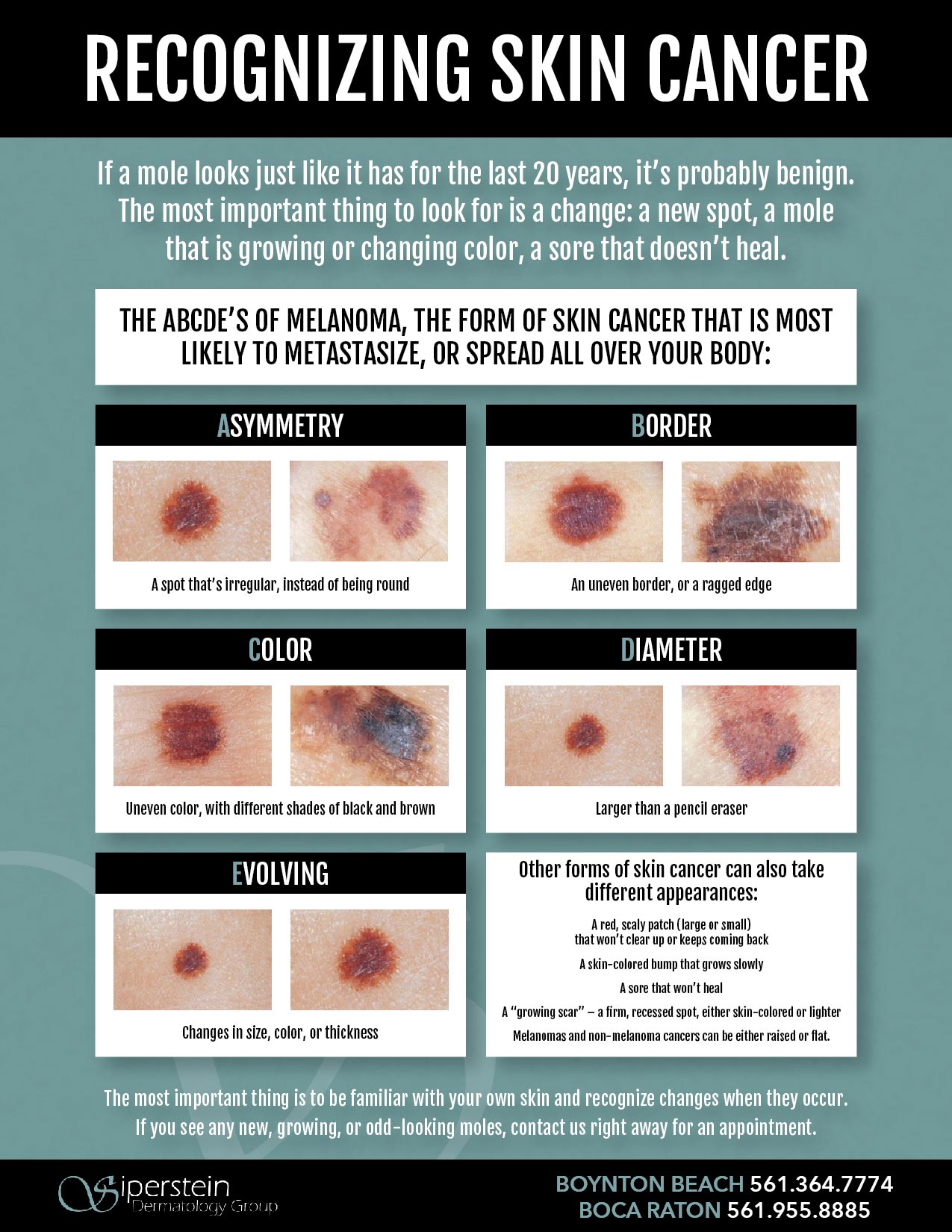
Freckles Vs Age Spots: Can You Discriminate?
They don't harmed, and they don't generally develop into anything harmful, however they can in some cases resemble skin problem that do need medical focus. National Library of Medication, age areas can be grey, tan, brownish or black and look like level places on your skin. They can look like round, oval or irregularly designed lesions of various dimensions. Most people usually experience age areas in sun-exposed circulation consisting of on their face, shoulders, back, hands and feet.
Cryotherapy, the regulated cold of individual areas, is one more alternative for smaller sized areas. In spite of their usual name "liver areas," these pigmented areas have no connection to liver feature or health and wellness. Instead, they create when ultraviolet light speeds up the production of melanin, the natural pigment that offers skin its shade. People with light skin are more probable to develop age spots, as are those with a history of constant sunburn or sun direct exposure. And with time, age spots can develop on revealed skin because of collective sunlight damage and previous radiation therapy.